
ParisLuxury & Fashion
Shaping a seasonal leather-goods collection
Students used historical sales data to optimise models, colours, launch timing and pricing — lifting revenue while protecting desirability.

Business Deep Dives
A Business Deep Dive puts Albert School students on a real challenge of yours — with senior-faculty oversight and a clear deliverable at the end. Multiple teams run in parallel, so you leave with a portfolio of solutions, not one option. No simulation — real data, real stakes.
Bring us the problem you'd hand a top consulting team — and watch what AI-native talent does with it.
The promise
One product, three depths — a 3-day Sprint, a 3-week Standard, or a 3-month Residency on our larger campuses.
Every Business Deep Dive runs multiple teams of four at once — typically five to twenty-plus, depending on the cohort. Different angles of the same problem.
Different cohorts, different campuses, different seniority. We match the right minds to your problem.
Your first project runs close to home — Paris, Madrid, Milan, Geneva or Marseille. Bigger ambitions can run across several campuses at once.
Sprint — 3 days
A calendar-blocked intensive on a tightly-scoped question.
Standard — 3 weeks
Our signature: analysis, build, and a final pitch.
Residency — up to ~3 months
Embedded, production-depth work.
How it works
A Business Deep Dive always follows the same six steps. The cadence changes — three days or three weeks — depending on the depth you need. The 3-week format is intensive but light on your side: about 3 hours a week from your team over 3 weeks. The 3-day Sprint compresses the same total effort into a single intensive block.
A 3-month Residency is also available on campuses that run a third-year or Master cohort.
Step 01 · SCOPING
One conversation to build the case together: we define a challenge relevant to your business and agree on the perimeter of data made available to the students. We use our BDD Problem Statement Template as a guide — title, context, role-play scenario, strategic mission, scope of analysis, expected deliverables, and data sources — with full freedom on the content.
Multiple teams of four in parallel · senior-faculty oversight · a portfolio of analyses and prototypes · full ownership of the IP · a live preview of pre-graduate talent with a right of first interaction on the top performers · the Albert School + Mines Paris–PSL signature on the work.
A real problem and the context to work on it · ~10–12 hours of senior time across the engagement · an engaged final jury.
Closing soon — Autumn (S1) closes in about six weeks, and we are filling the last spots. If a Deep Dive is on your mind for this cycle, now is the moment to start the conversation.
Recent Deep Dives · 100+ engagements across five campuses











Past business deep dives
A snapshot of what teams of four have shipped recently — across luxury, finance, tech, retail, logistics and the public sector.
Students used historical sales data to optimise models, colours, launch timing and pricing — lifting revenue while protecting desirability.
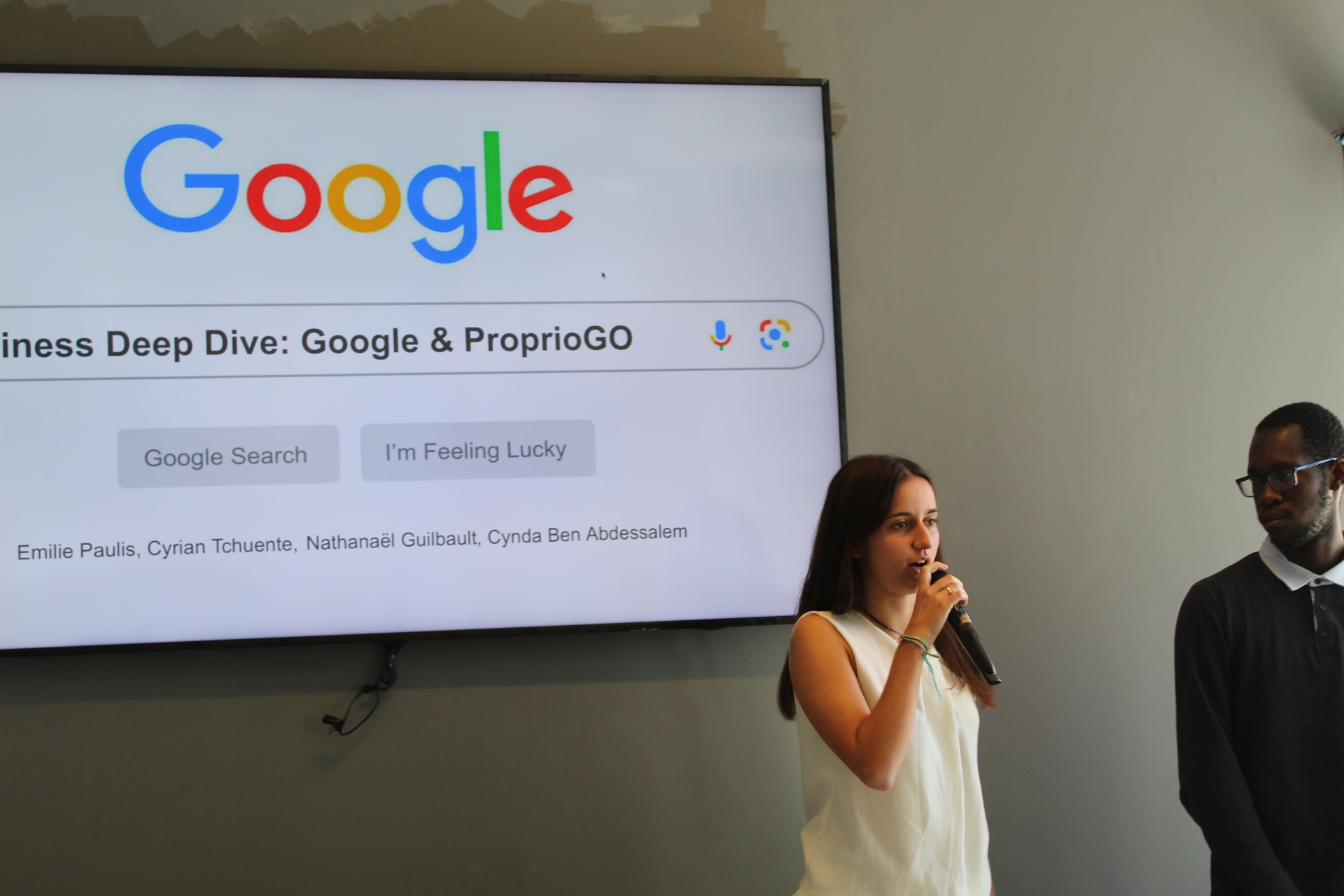
Data-driven market sizing, competitor benchmarking, and an acquisition/scoring model behind the expansion plan.
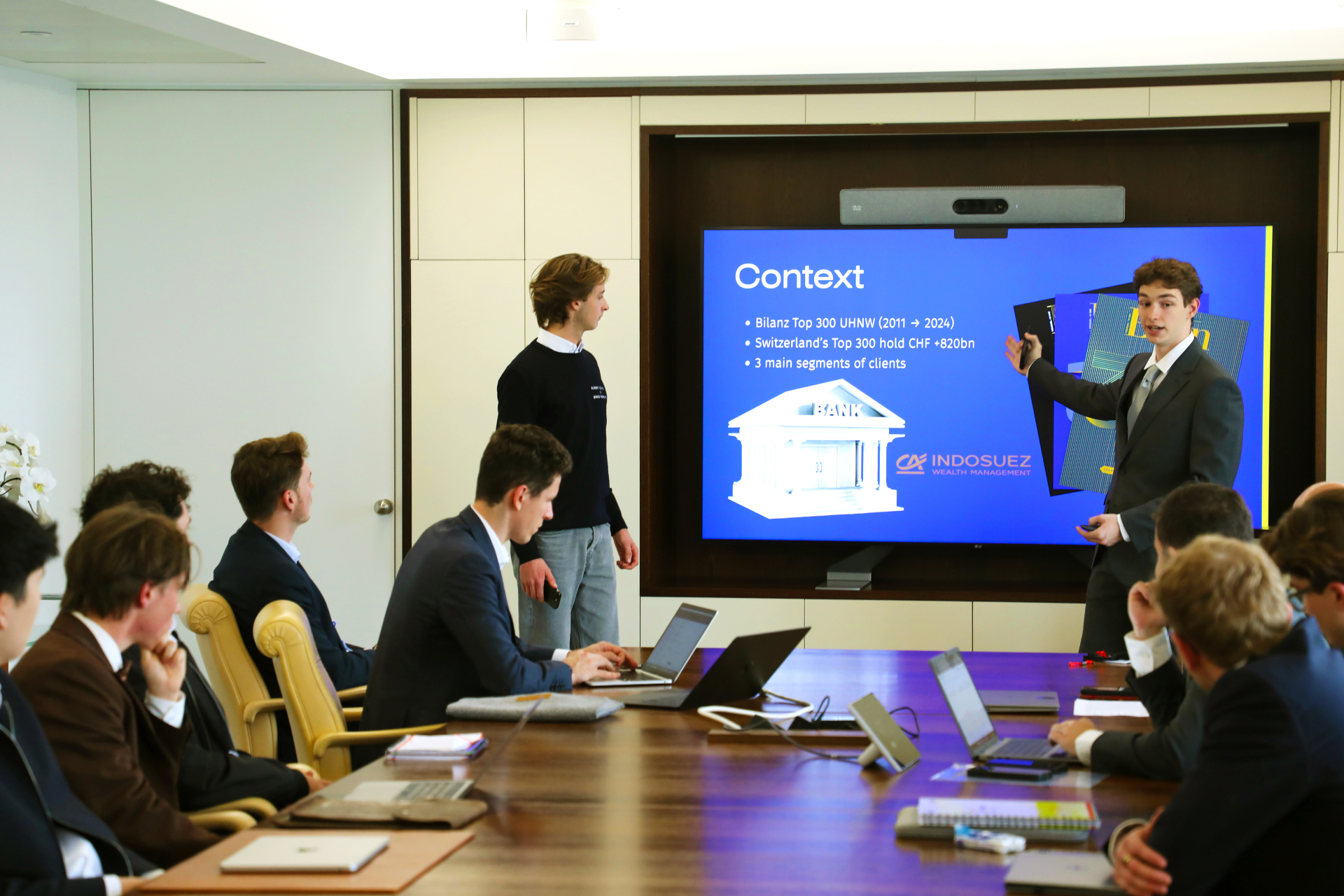
NLP, vector databases and relationship mapping turned a deep archive into client-facing tools; the winning team presented at Indosuez HQ.
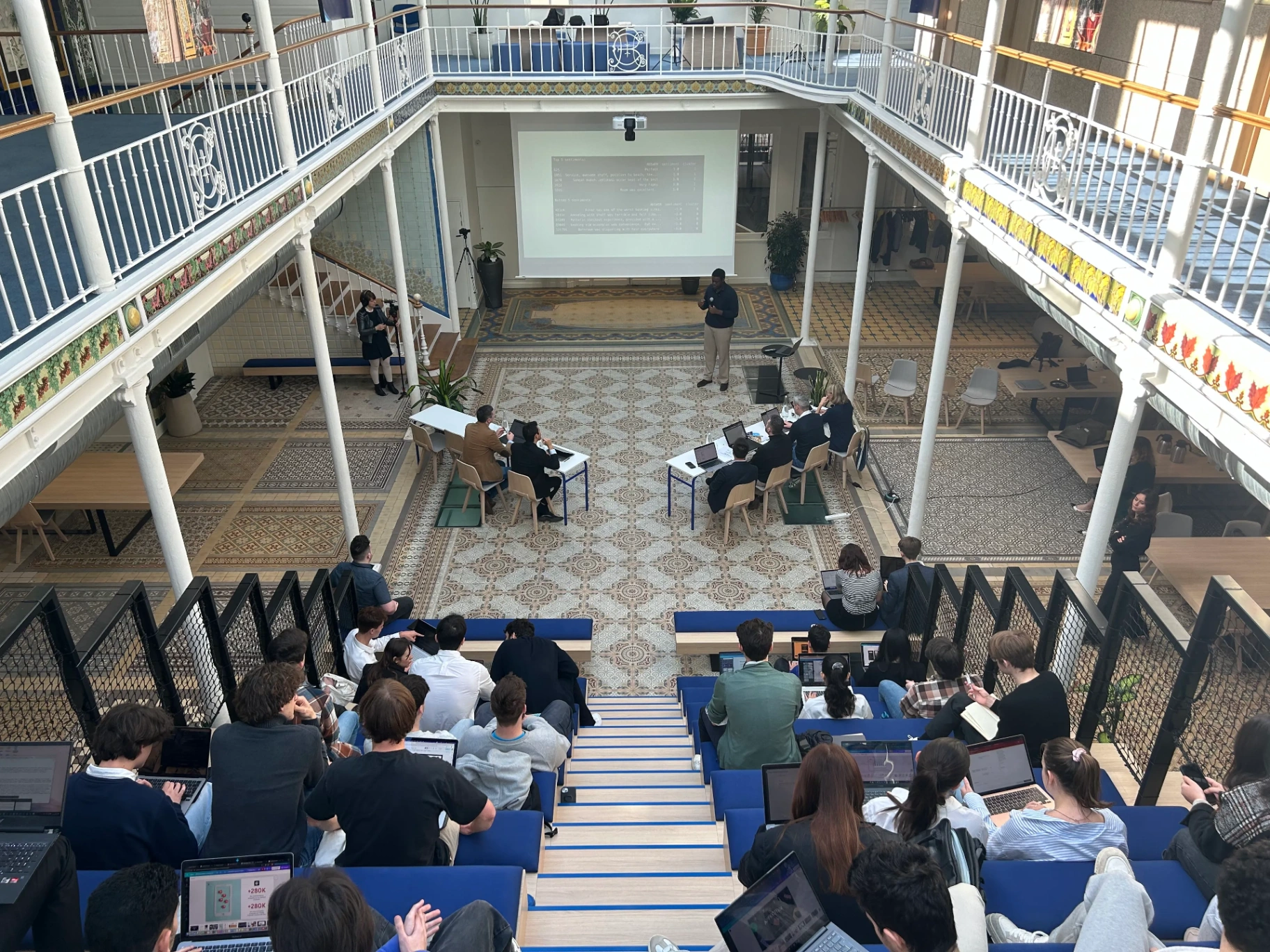
Cutting cost and carbon while avoiding high-risk zones — balancing security, regulatory and commercial constraints.
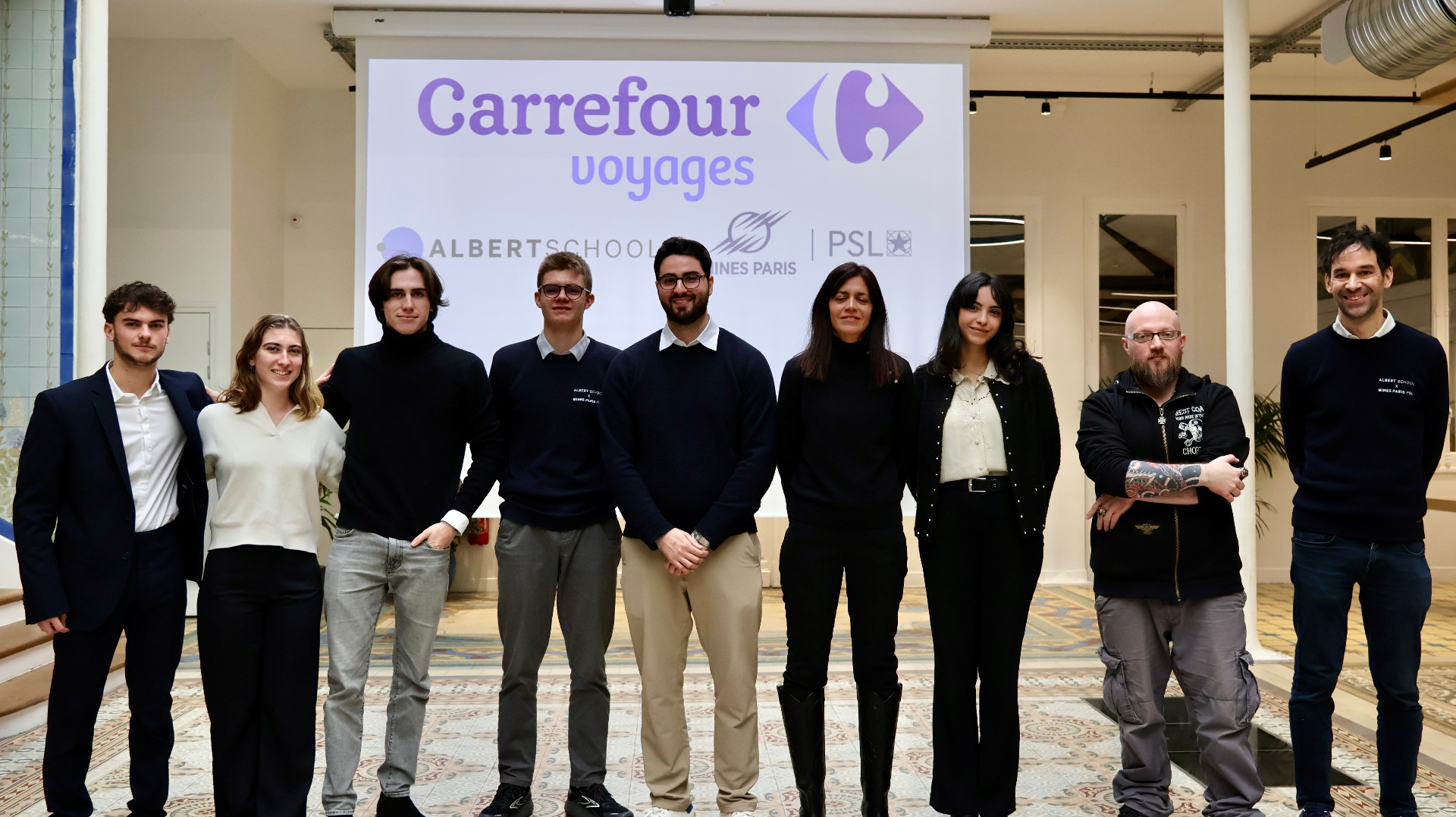
Cross-team work on segmentation, booking funnel and personalisation levers — pitched live to the Carrefour Voyages leadership.
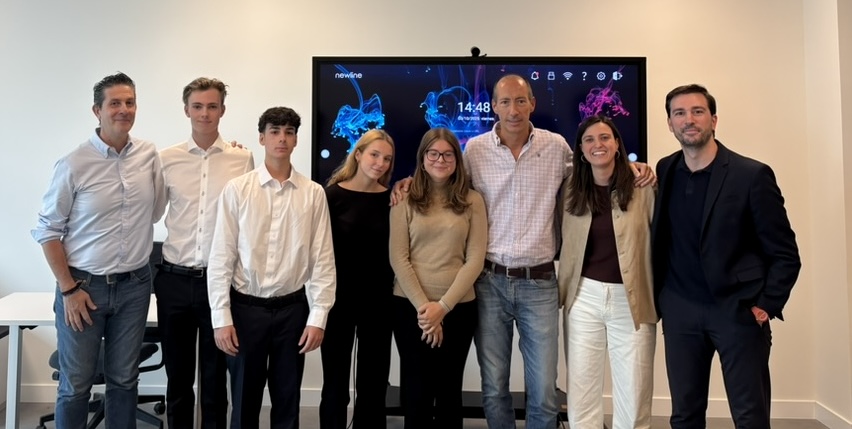
Students worked directly with Carrefour Spain on a live business problem, presenting recommendations to the local leadership team.
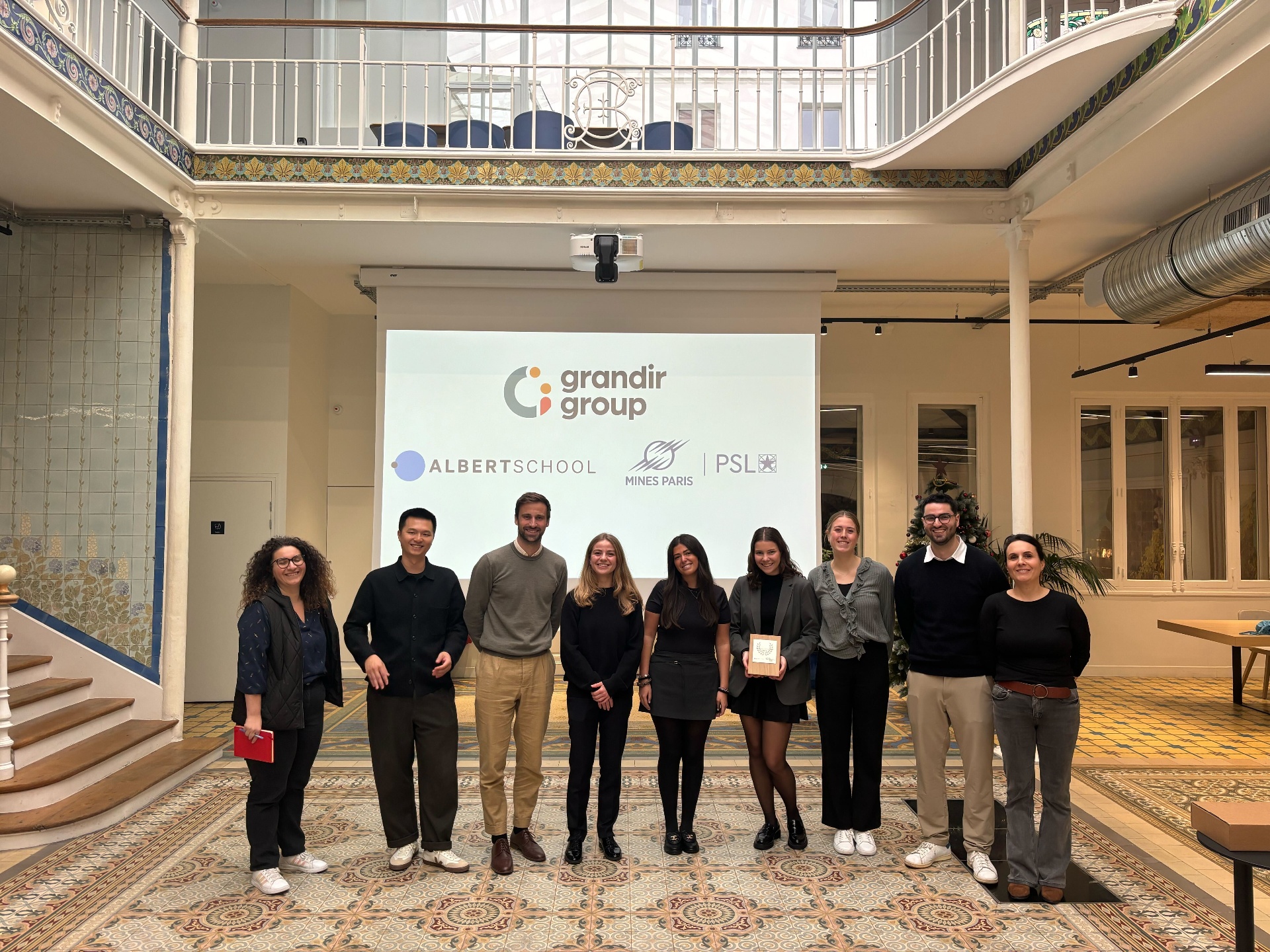
Data-driven recommendations on staffing, occupancy and quality of service — delivered with Mines Paris–PSL.
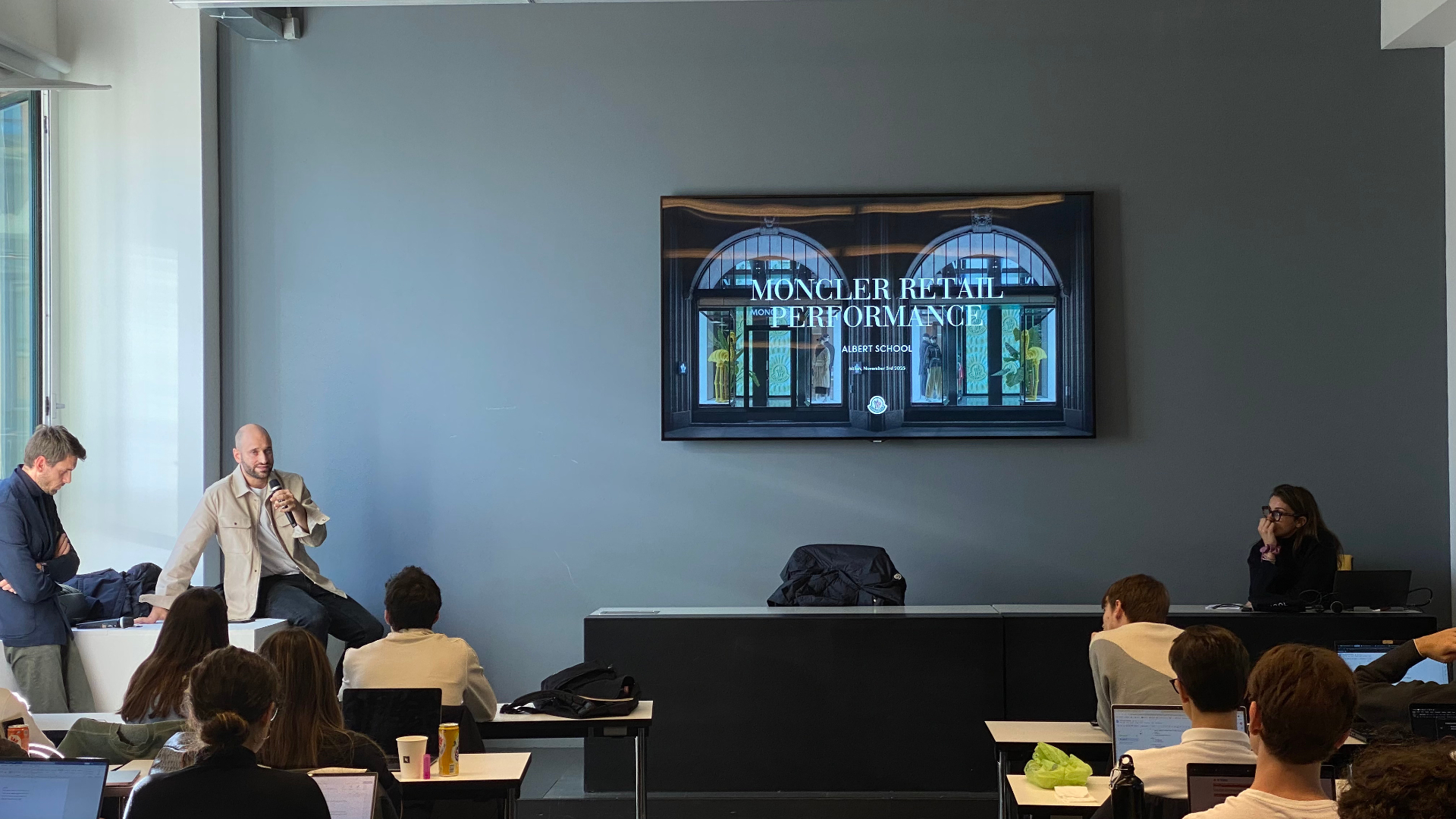
Operational data and retail trends turned into actionable insights to enhance staffing efficiency and support international growth.
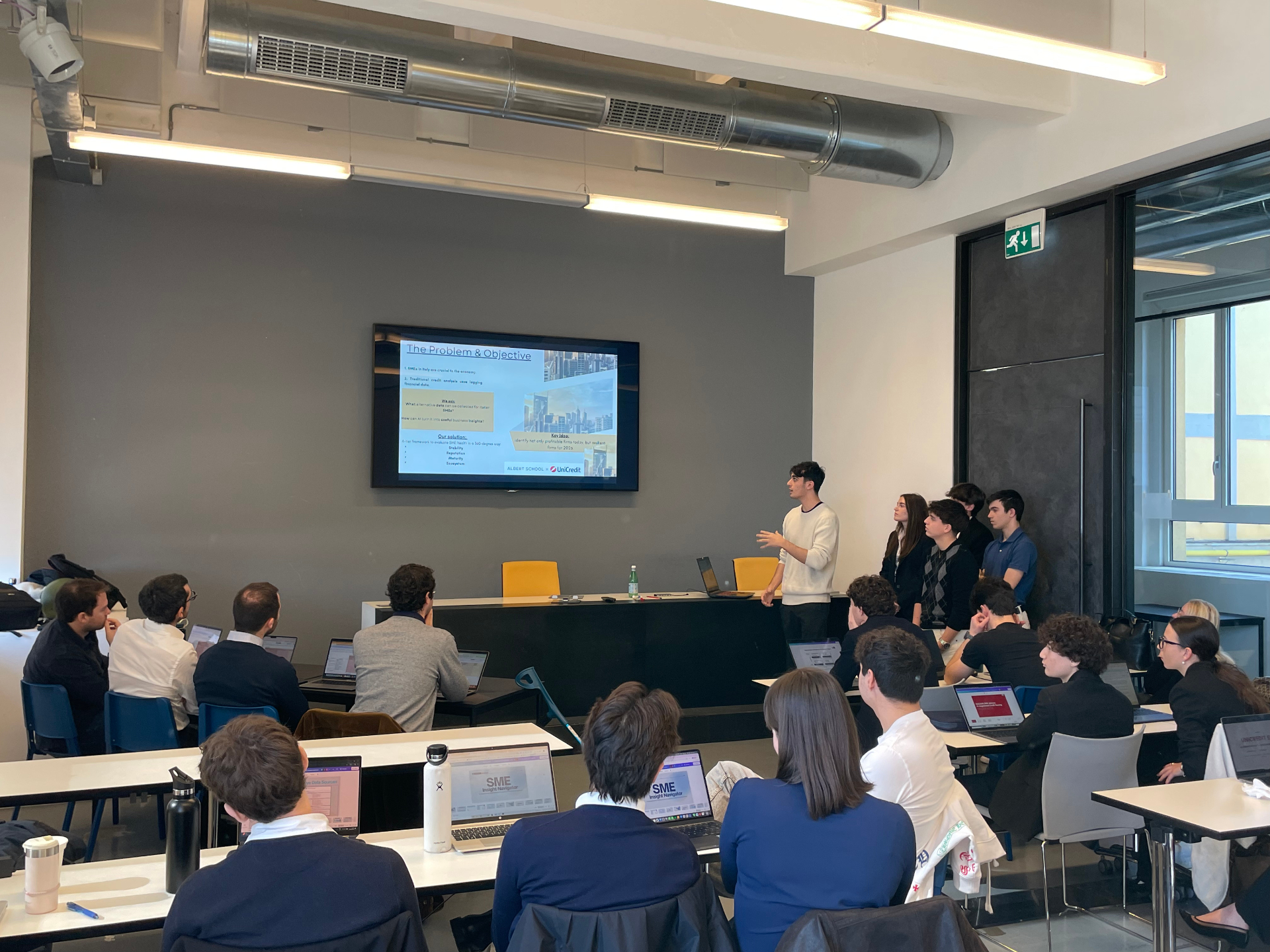
An architecture to assess SMEs using alternative data — reviews, web, e-commerce, registries — for credit and growth analysis.

Mapping disciplines, sector needs and adoption barriers to design AI-enabled learning models and roadmaps for universities by 2030.
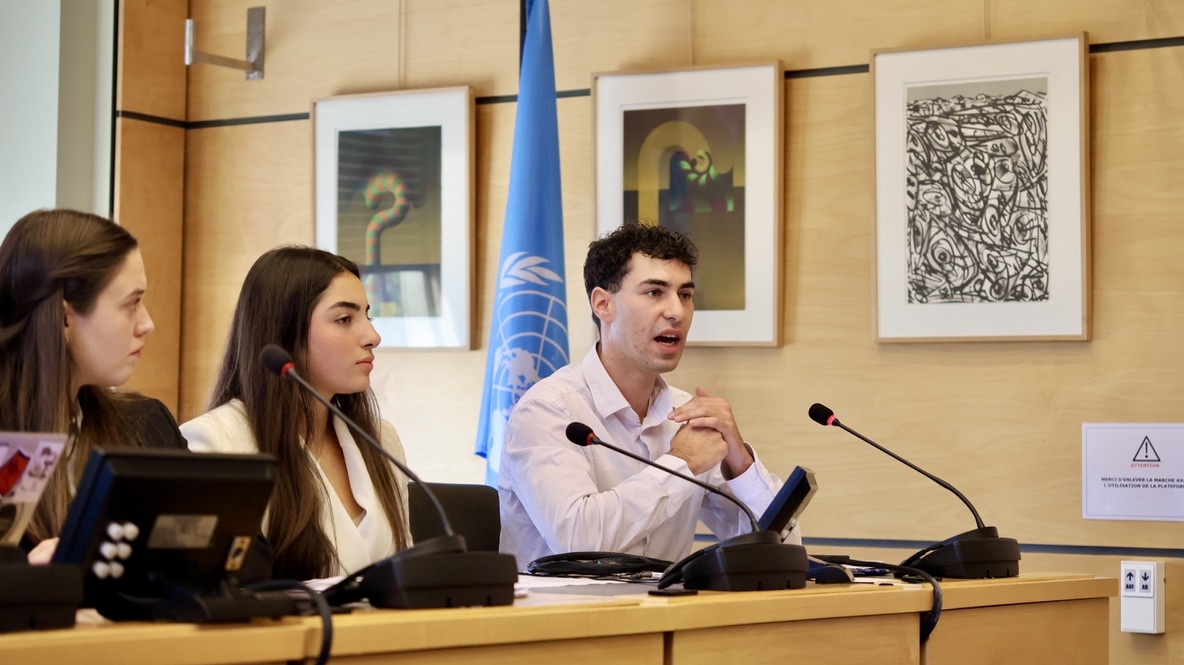
User-journey mapping across journalists, diplomats, researchers and students — surfacing pain points and a usability roadmap.
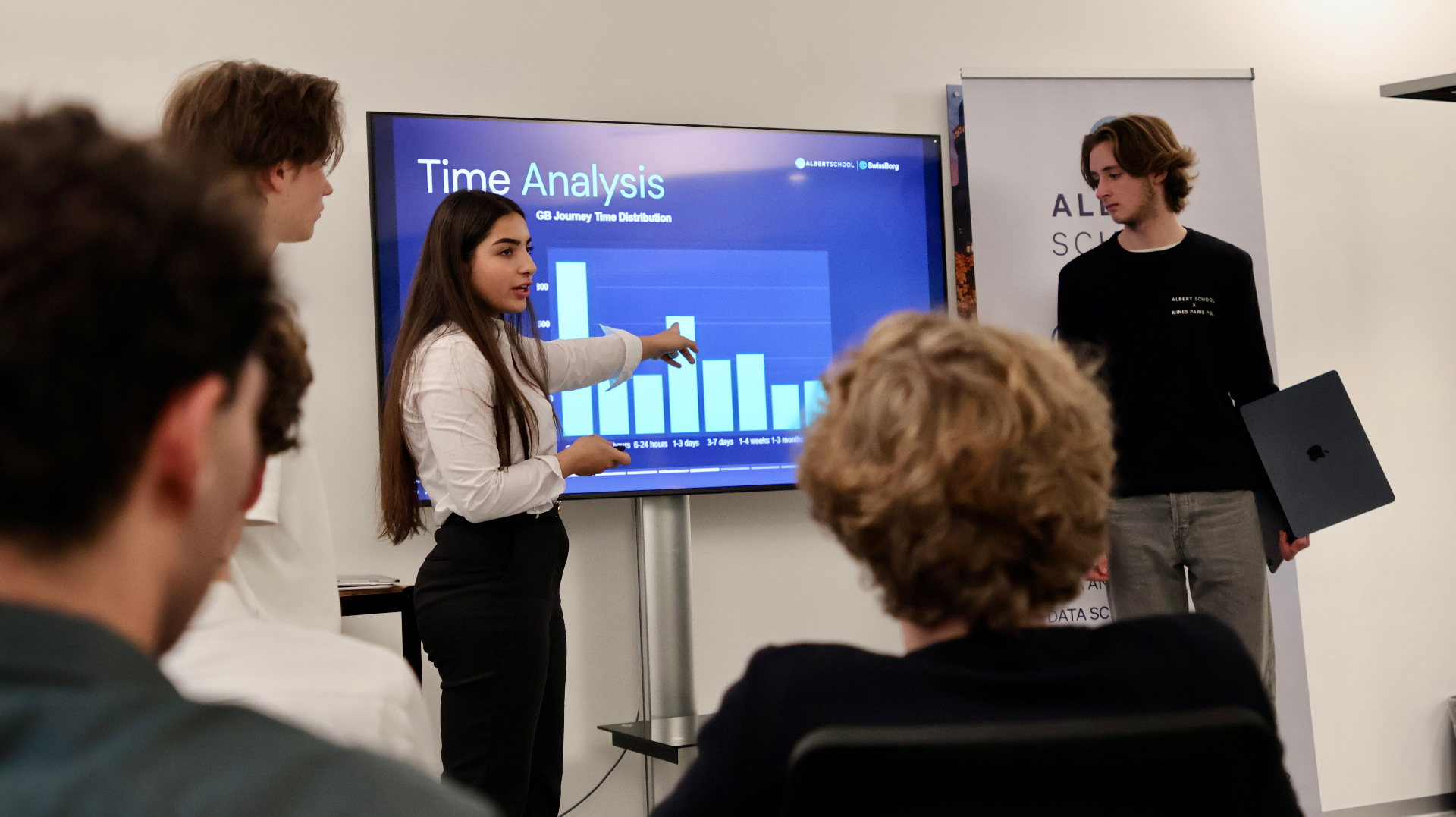
Across 135,000+ users — recommendations to streamline KYC and boost cross-product adoption.
See it for yourself
Four briefs from four global partners. Four Albert teams. Here's what three weeks of focused work produces.
What you bring, what we build
A structured guide we use together at scoping. It leaves full freedom on content — title, context, mission, data, deliverables — while giving both sides a common language.
Title
A clear, concise title summarising the core mission.
Context
Your organisation, market and strategic context — trends, challenges, the stage the problem sits on.
Role-play scenario
Students are placed in a realistic role — strategy analysts, commercial team, junior advisors. It anchors their thinking.
Strategic mission
The central question or hypothesis to test. What decision must be made? What should be proved or disproved?
Scope of analysis
The domains to explore: business metrics, financial KPIs, technical indicators, geographic or behavioural analysis.
Expected deliverables
An analytical report, supporting visuals, a business recommendation, or a working prototype — defined up front.
Data provided
The datasets made available, or sources suggested for independent research. Cleaning requirements noted where relevant.
Suggested methodology included: data collection, descriptive analysis, identification of key themes, exploration of needs, and recommendation development.
Beyond the first project
If the first project works, here's where it can lead. None of this is today's ask — it's the direction of travel.
Internships, apprenticeships, hires — and our job-dating events where you meet a cohort already trained on your questions. The most natural next step after a BDD.
Custom programmes for your managers and teams — AI, AI for business, AI for finance. Real cases: AP-HM, Club Med, Société Générale.
Your experts in the classroom. A masterclass. A slot at the Albert & Eugenia Start-up Hackathon each May. Your expertise shapes the next generation.
When the first projects work, a multi-format, multi-year relationship: a single point of contact, defined benefits, pricing calibrated to depth.
Bring us the problem you'd hand a top consulting team — and watch what AI-native talent does with it.
One conversation is all it takes to find the right place to start — a Deep Dive, a leadership programme, or a full partnership. Tell us what you'd like to build, and we'll route you to the right person.